
Leg Pain
Identifying the source of pain and restoring comfortable movement
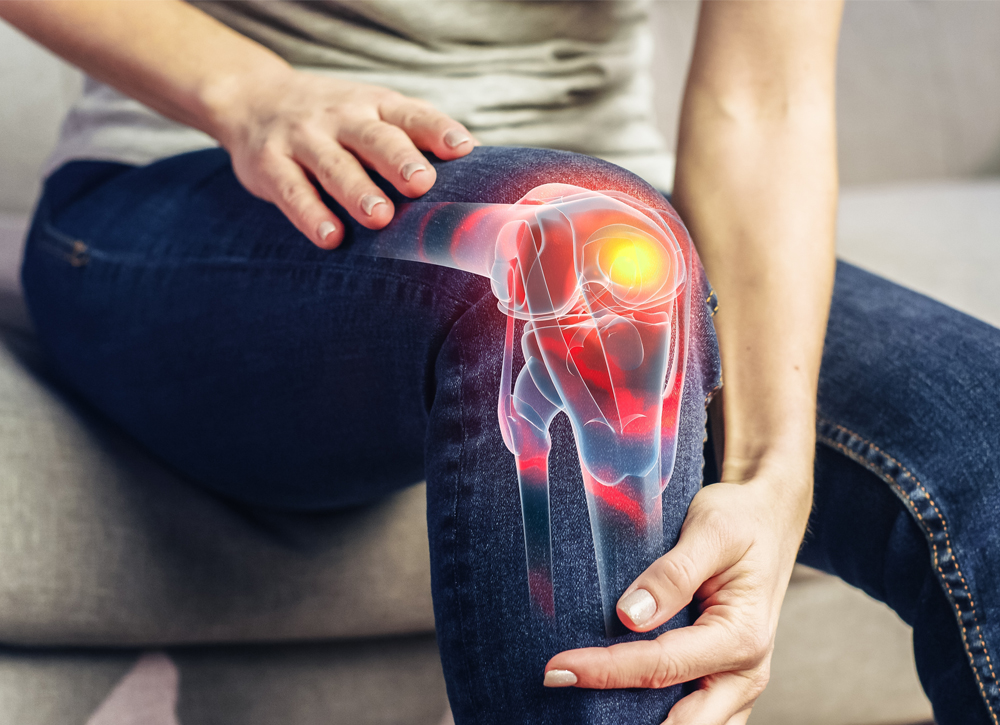
Leg pain can significantly limit mobility, independence, and quality of life. While discomfort may seem to originate in the leg itself, it is often caused by nerve irritation or compression in the lower spine. At Virginia Spine Specialists, we take a comprehensive, modern approach to diagnosing and treating leg pain—focusing on relieving symptoms while addressing the underlying cause.
Whether your pain is sharp, aching, radiating, or accompanied by numbness or weakness, proper evaluation is essential for effective treatment.
Understanding Leg Pain
The nerves that supply sensation and strength to the legs originate in the lumbar spine. When these nerves become irritated or compressed, pain can travel from the lower back into the hip, buttock, thigh, calf, or foot—a pattern often referred to as sciatica or radicular pain.
Common causes of leg pain include:
- Herniated or bulging lumbar discs
- Spinal stenosis
- Degenerative disc disease
- Spondylolisthesis
- Muscle imbalance or joint dysfunction
- Poor posture or prolonged sitting or standing
Symptoms may include:
- Pain radiating down one or both legs
- Numbness or tingling
- Muscle weakness
- Pain that worsens with sitting, standing, or walking
- Burning or electric-like sensations
Because leg pain may reflect nerve involvement, early assessment is important.
Modern Non-Surgical & Integrative Treatment Options
Many patients experience significant improvement with non-surgical, evidence-based care, especially when treatment is tailored to the specific spinal level or nerve involved.
Physical Therapy & Functional Rehabilitation
Physical therapy focuses on:
- Improving strength, flexibility, and balance
- Reducing nerve irritation
- Correcting posture and movement patterns
- Supporting long-term spine and joint health
Therapy programs are individualized based on symptoms, activity level, and imaging findings.
Interventional Pain Management
When inflammation or nerve compression contributes to leg pain, image-guided injections may help:
- Reduce swelling around affected nerves
- Improve pain control
- Allow greater participation in rehabilitation
Movement & Postural Guidance
Simple changes in daily movement and posture—such as proper sitting position, avoiding prolonged leg crossing, and alternating stance during standing—may help reduce strain on the spine and nerves when combined with medical care.
Complementary approaches such as guided stretching or relaxation techniques may also support recovery when appropriate.
When to Consider Advanced Treatment
If leg pain, numbness, or weakness persists despite conservative care—or interferes with walking, balance, or daily function—further evaluation may be required. In select cases, minimally invasive procedures or surgical treatment may be recommended to relieve nerve compression and prevent progression.
All treatment decisions are made carefully, with an emphasis on safety, effectiveness, and preserving mobility.
Expert Care for Leg Pain with Dr. Mudit Sharma
Dr. Sharma, a Board certified Neurosurgeon specializes in diagnosing and treating nerve-related leg pain.
At Virginia Spine Specialists, you can expect:
- Clear explanations of their diagnosis
- Personalized treatment plans
- Access to advanced pain management and surgical options if needed
Call (571) 921-4877 for an appointment.
Locations: Manassas • Fredericksburg • Dulles
Frequently Asked Questions
Leg pain is often caused by irritation or compression of nerves in the lower back (lumbar spine). Common causes include herniated or bulging discs, spinal stenosis, degenerative disc disease, and spondylolisthesis. Pain may also be influenced by posture, prolonged sitting or standing, and muscle or joint dysfunction.
Not always, but many cases of leg pain are related to sciatica (radicular pain), where pain travels from the lower back into the buttock, thigh, calf, or foot due to nerve irritation. A proper evaluation helps determine whether your symptoms are coming from the spine or another source.
You should consult a specialist if leg pain lasts more than a few days, keeps returning, worsens over time, or limits walking and daily activity. It’s especially important to be seen quickly if you develop numbness, tingling, muscle weakness, balance issues, or increasing difficulty standing or walking.
Most patients improve with non-surgical care, including personalized physical therapy, posture and movement guidance, and targeted rehabilitation. If inflammation or nerve compression is contributing to symptoms, image-guided injections may help reduce pain and support recovery so you can return to normal activity.

Phone: (571) 921-4877
Toll Free: (855) 774-6334
Fax: (571) 208-0585
Toll Free: (855) 774-6334
Fax: (571) 208-0585
Conditions We Treat
Chronic Back Pain
Neck Pain
Arm Pain and/or Numbness
Leg Pain and/or Numbness
Herniated Disc – Lumbar and Cervical
Sacroiliac Joint (SI) Pain
Slipped Disc
Spinal Stenosis
Spinal Fractures
Whiplash Syndrome
Failed Back Surgery
Office Hours & Locations
Monday – Thursday: 8am – 4pm Friday: 8am – 2pm Loudoun County 24430 Stone Springs Blvd, Suite 250 Dulles, VA 20166 Spotsylvania County 4604 Spotsylvania Parkway, Suite 300 Fredericksburg, VA 22408 Prince William County 9625 Surveyor Ct. Suite 320 Manassas, VA 20110