
Specialized evaluation and precise care for complex spinal conditions
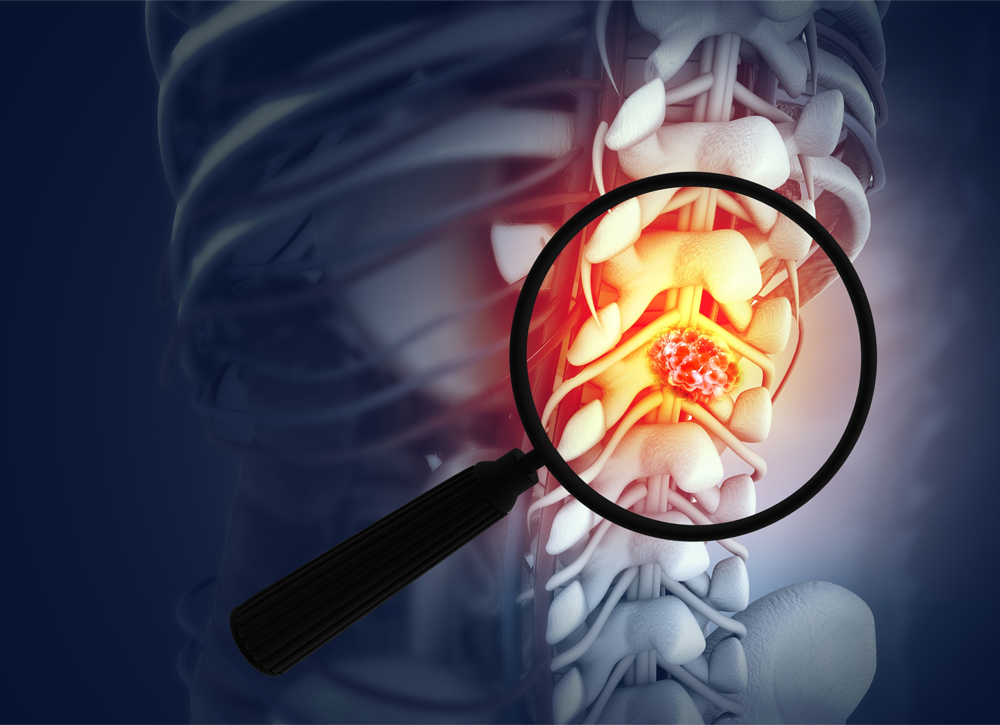
Spinal tumors are abnormal growths that develop within or around the spine and spinal cord. While the word “tumor” can be alarming, many spinal tumors are benign and treatable, and not all require surgery. Malignant (cancerous) tumors may originate in the spine or spread from another part of the body.
Modern spinal treatments in this field have truly made remarkable advances, providing dramatic relief to patients and prolonging their lives. At Virginia Spine Specialists, we provide expert, individualized evaluation, treatment, and management of spinal tumor.
Understanding Spinal Tumors
Spinal tumors can arise from different tissues within or near the spine and are generally classified based on their location:
- Intramedullary – tumors within the spinal cord
- Intradural–extramedullary – tumors inside the spinal canal but outside the spinal cord
- Extradural – tumors outside the spinal canal, often involving vertebrae
Tumors may be benign (noncancerous) or malignant (cancerous), and may originate in the spine or spread from another part of the body.
Symptoms
Symptoms vary depending on tumor size, location, and growth rate, and may include:
- Persistent or worsening back or neck pain
- Pain that is worse at night or at rest
- Numbness, tingling, or weakness in the arms or legs
- Difficulty walking or maintaining balance
- Loss of bowel or bladder control in advanced cases
Because symptoms can resemble other spine conditions, timely evaluation is critical.
Common Causes
- Benign tumors such as meningiomas or schwannomas
- Metastatic tumors spreading from other cancers
- Primary bone tumors of the spine
- Tumors associated with nerve tissue or supporting structures
Accurate diagnosis of the type and cause of spinal tumor is essential to guide appropriate treatment.
Treatment Options
Careful Evaluation and Monitoring
Not all spinal tumors require immediate intervention. Some benign or slow-growing tumors may be managed with:
- Regular imaging and clinical monitoring
- Symptom-focused pain management
- Coordination with oncology or other specialists when appropriate
Surgical and Advanced Treatment Options
When treatment is required, goals may include:
- Relieving pressure on the spinal cord or nerves
- Stabilizing the spine
- Obtaining tissue for diagnosis
- Improving neurological function and quality of life
Modern treatment may involve:
- Microsurgical or minimally invasive tumor removal
- Spinal stabilization procedures if bone integrity is affected
- Coordination with radiation or medical oncology when indicated
Surgical decisions are made carefully, weighing risks, benefits, and long-term outcomes.
When to Seek Urgent Evaluation
Prompt medical attention is important if you experience:
- Progressive weakness or numbness
- Difficulty walking or frequent falls
- Changes in bowel or bladder control
- Severe, unexplained spine pain—especially at night
These may indicate spinal cord or nerve compression requiring immediate care.
Treating Cancer of the Spine
The diagnosis of cancer or tumor of a spine can be a devastating blow to a patient. In addition to the burden of living with the disease, the patients have to live with significant pain and disability. Modern spinal treatments in this field have truly made some remarkable advances, providing dramatic relief to patients and prolonging their lives.
When cancer attacks the spine, it may start at that site (called primary cancer) or may spread there from another part of the body (called metastatic cancer). Spinal cancer may be discovered in a patient who is already living with cancer (e.g. breast, lung, colon, melanoma) or it may be a new diagnosis. The most common symptom of cancer in the spine is pain. It may be accompanied by weakness or numbness or other neurological problems.
The first step in dealing with cancer of the spine is accurate and speedy diagnosis. Once a diagnostic test (CT, MRI, Blood tests or biopsy) confirms cancer, the next step is a discussion between the patient and the cancer team about next steps. A spine specialist is a vital part of this discussion.
Whether the cancer started in the spine or spread to the spine from another site, its treatment seeks to achieve similar goals – controlling the patient’s pain, making sure that his or her neurological status remains as highly functional as possible and finally removing or stopping the cancerous growth.
A minimally invasive spinal surgery can be a very powerful tool in these situations. By offering patients a small incision and a speedy recovery, these techniques allow other treatments like chemotherapy and radiation to start earlier than previously possible. Another exciting advance in this field is robotic radiosurgery. This allows spine specialists to deliver large doses of radiation to the cancer with surgical precision.
It is important to remember that with a team approach, a patient diagnosed with spinal cancer has significantly better quality of life along with the best treatments.
Expert Spine Care with Dr. Mudit Sharma
Dr. Sharma is a board-certified neurosurgeon specializing in the diagnosis and treatment of herniated discs using evidence-based, minimally invasive spine techniques when appropriate.
At Virginia Spine Specialists, you’ll receive:
- Personalized treatment plans
- Access to advanced minimally invasive techniques
- Compassionate, patient-centered care close to home
Call (571) 921-4877 for an appointment.
Serving Manassas, Fredericksburg, Dulles and surrounding Northern Virginia communities
Frequently Asked Questions
No. Many spinal tumors are benign and may not require surgery. Proper evaluation is necessary to determine the type and best treatment approach.
Diagnosis typically involves advanced imaging such as MRI, and sometimes biopsy to identify tumor type.
Not always. Some tumors are monitored, while others require surgery or additional treatments depending on symptoms and growth.
If untreated, some tumors may compress nerves or the spinal cord. Early diagnosis and appropriate treatment help reduce this risk.

Phone: (571) 921-4877
Toll Free: (855) 774-6334
Fax: (571) 208-0585
Toll Free: (855) 774-6334
Fax: (571) 208-0585
Conditions We Treat
Chronic Back Pain
Neck Pain
Arm Pain and/or Numbness
Leg Pain and/or Numbness
Herniated Disc – Lumbar and Cervical
Sacroiliac Joint (SI) Pain
Slipped Disc
Spinal Stenosis
Spinal Fractures
Whiplash Syndrome
Failed Back Surgery
Office Hours & Locations
Monday – Thursday: 8am – 4pm Friday: 8am – 2pm Loudoun County 24430 Stone Springs Blvd, Suite 250 Dulles, VA 20166 Spotsylvania County 4604 Spotsylvania Parkway, Suite 300 Fredericksburg, VA 22408 Prince William County 9625 Surveyor Ct. Suite 320 Manassas, VA 20110