Relieving pressure on spinal nerves with thoughtful, modern care
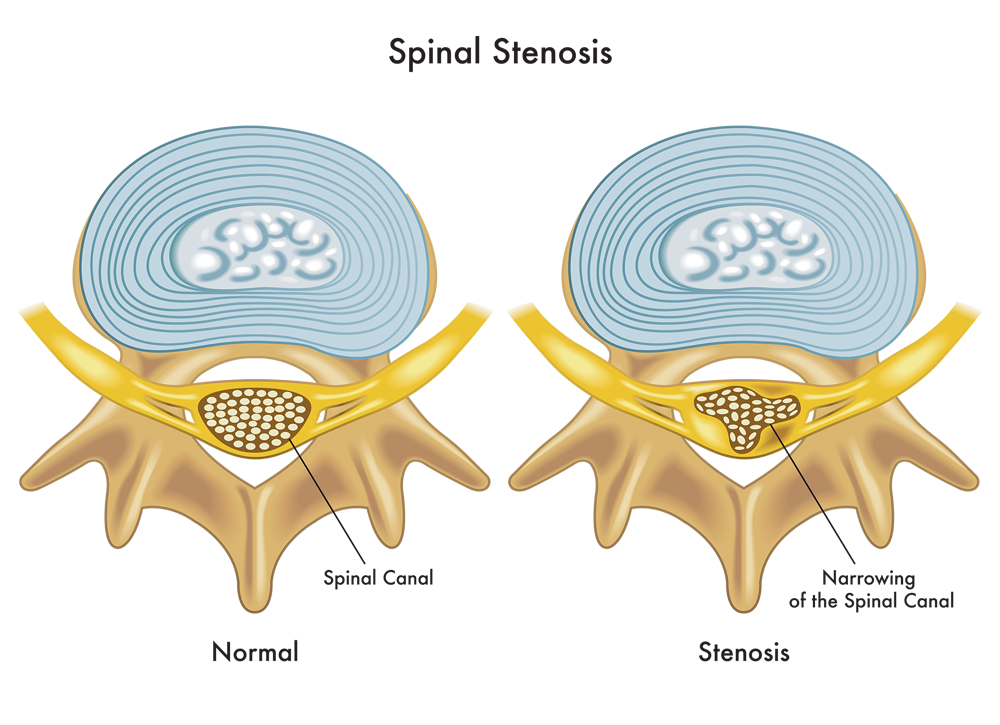
Spinal stenosis is a common spine condition caused by narrowing of the spinal canal, which can place pressure on the spinal cord or nerves. This pressure often leads to pain, numbness, weakness, or difficulty walking.
At Virginia Spine Specialists, we focus on accurate diagnosis and personalized treatment, using conservative care first and minimally invasive procedures when necessary to help patients regain mobility and quality of life.
Understanding Spinal Stenosis
What Is Spinal Stenosis?
Spinal stenosis occurs when the spaces within the spine become narrowed, reducing room for nerves. It most commonly affects:
- The lumbar spine (lower back)
- The cervical spine (neck)
The condition often develops gradually and is frequently related to age-related degenerative changes, though symptoms can vary widely from person to person.
Symptoms
Symptoms depend on the location and severity of nerve compression and may include:
- Lower back or neck pain
- Pain radiating into the arms or legs
- Numbness or tingling in the limbs
- Weakness in the arms or legs
- Difficulty walking or standing for long periods
- Relief of leg pain when sitting or bending forward (common in lumbar stenosis)
Because symptoms may worsen over time, early evaluation can help prevent progression.
Common Causes
Common Causes
- Degenerative disc disease
- Arthritis and bone spurs
- Thickening of spinal ligaments
- Herniated or bulging discs
- Congenital (present at birth) spinal narrowing
Treatment Options
Conservative (Non-Surgical) Treatment
Many patients with spinal stenosis improve with non-surgical care, including:
- Physical therapy to improve strength, flexibility, and balance
- Medications to reduce inflammation and pain
- Image-guided injections to relieve nerve irritation
- Activity modification and posture education
These approaches aim to manage symptoms while preserving function.
Minimally Invasive Surgical Treatment
If symptoms persist despite appropriate conservative care—or if neurological symptoms worsen—surgical treatment may be considered.
Modern surgical options focus on decompression, relieving pressure on nerves while preserving spinal stability whenever possible. Minimally invasive techniques may include:
- Removal of bone or tissue compressing nerves
- Smaller incisions with minimal muscle disruption
- Faster recovery and reduced postoperative pain
In cases of spinal instability, stabilization or fusion procedures may be recommended selectively.
When to Seek Urgent Care
Seek immediate medical evaluation if you experience:
- Progressive weakness
- Loss of balance or coordination
- Changes in bowel or bladder function
These may indicate significant nerve compression requiring prompt treatment.
Expert Spine Care with Dr. Mudit Sharma
Dr. Sharma is a board-certified neurosurgeon specializing in the diagnosis and treatment of spinal stenosis using modern, minimally invasive spine techniques when appropriate.
Call (571) 921-4877 for an appointment.
Serving Manassas, Fredericksburg, Dulles and surrounding Northern Virginia communities
Frequently Asked Questions
Spinal stenosis is often related to age-related changes in the spine, but not everyone develops symptoms. Treatment depends on symptom severity and functional impact.
Yes. Many patients manage symptoms effectively with physical therapy, medications, and injections.
In some cases, symptoms may progress gradually. Early evaluation and treatment can help manage pain and maintain mobility.
Surgery may be recommended when conservative treatments fail or when nerve compression causes worsening weakness or functional limitation.

Phone: (571) 921-4877
Toll Free: (855) 774-6334
Fax: (571) 208-0585
Toll Free: (855) 774-6334
Fax: (571) 208-0585
Conditions We Treat
Chronic Back Pain
Neck Pain
Arm Pain and/or Numbness
Leg Pain and/or Numbness
Herniated Disc – Lumbar and Cervical
Sacroiliac Joint (SI) Pain
Slipped Disc
Spinal Stenosis
Spinal Fractures
Whiplash Syndrome
Failed Back Surgery
Office Hours & Locations
Monday – Thursday: 8am – 4pm Friday: 8am – 2pm Loudoun County 24430 Stone Springs Blvd, Suite 250 Dulles, VA 20166 Spotsylvania County 4604 Spotsylvania Parkway, Suite 300 Fredericksburg, VA 22408 Prince William County 9625 Surveyor Ct. Suite 320 Manassas, VA 20110